What happens if I don't rinse my rice?
What happens if I don't rinse my rice?
If you don't rinse your rice before cooking, nothing terrible happens. It'll still cook just fine. The main difference is the texture of the finished rice.
What changes if you skip rinsing?
- Stickier rice: Unrinsed rice has more loose surface starch, which can make the grains clump together. This is especially noticeable with long-grain white rice.
- Cloudier cooking water: The loose starch dissolves into the water, sometimes making the cooked rice a little gummier.
- A little more residue: Rinsing can remove some rice dust and small particles left over from processing.
- No major nutritional difference: Rinsing removes a small amount of surface starch and possibly some water-soluble nutrients, but it doesn't substantially change the nutritional value of ordinary white rice.
Does it matter what kind of rice you're cooking?
Long-grain white rice
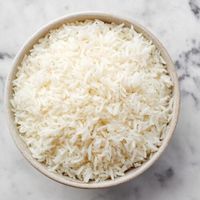
Rinsing helps keep the grains separate and fluffy. Skipping it may make the rice slightly stickier.
Short-grain or sushi rice
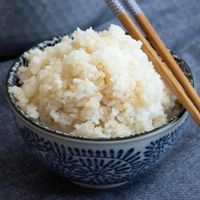
Rinsing is generally worthwhile, though some stickiness is desirable for sushi.
Brown rice
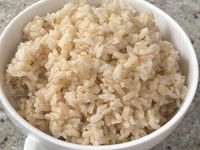
Rinsing removes dust and debris, but the difference in texture is usually less dramatic.
Is rinsing necessary for food safety?
Generally, no. Rinsing isn't a reliable way to eliminate bacteria, and cooking is what makes rice safe to eat. Also, avoid rinsing rice in a way that splashes water around your kitchen, since that can spread contaminants.
My practical advice: If you're hungry and already have the pot ready, don't let the lack of rinsing stop you. Cook it as usual. If you want fluffy, separate grains next time, give it two or three rinses until the water is less cloudy.
One exception: if your rice package specifically says do not rinse because it's enriched, follow the package directions to avoid washing away added nutrients.